Thorough clinical examination and objective diagnostic studies are combined with customized rehabilitation programs to address the underlying causes of dizziness/vertigo imbalance and incoordination.
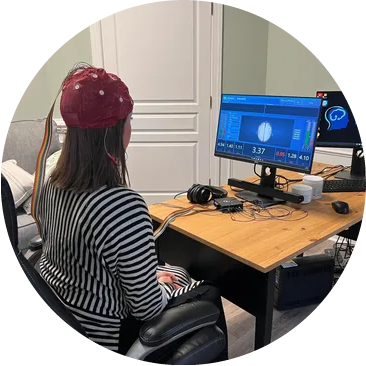
Braincore Neurofeedback is a unique drugless approach to addressing brainwave imbalance with guided exercise for the brain. The goal of all neurofeedback is to transform an unbalanced brainwave pattern into a normal, organized pattern through neuroplasticity.
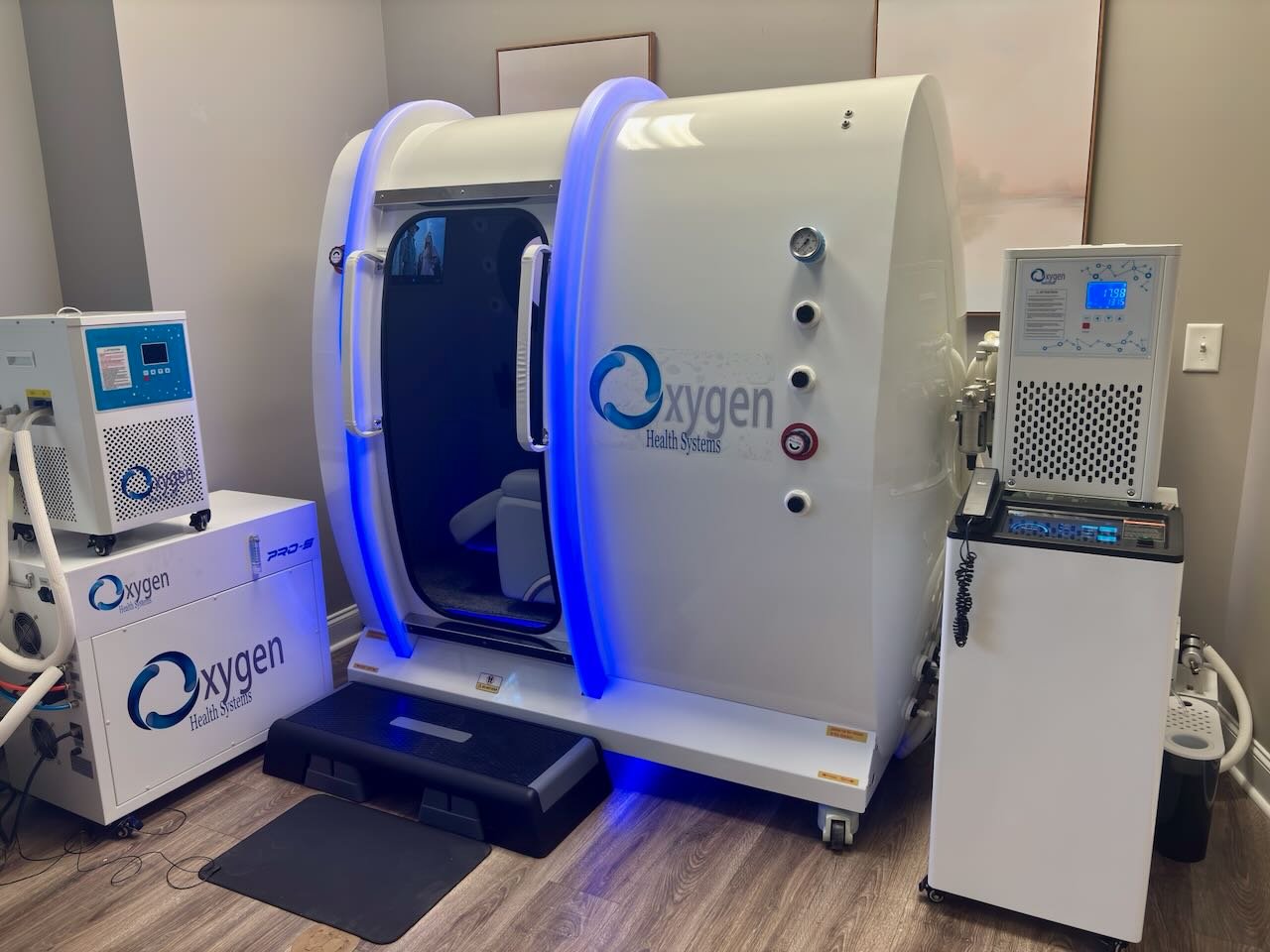
Hyperbaric therapy uses increased atmospheric pressure and Hyperbaric to support the body's natural healing processes. By delivering higher levels of Hyperbaric to tissues.
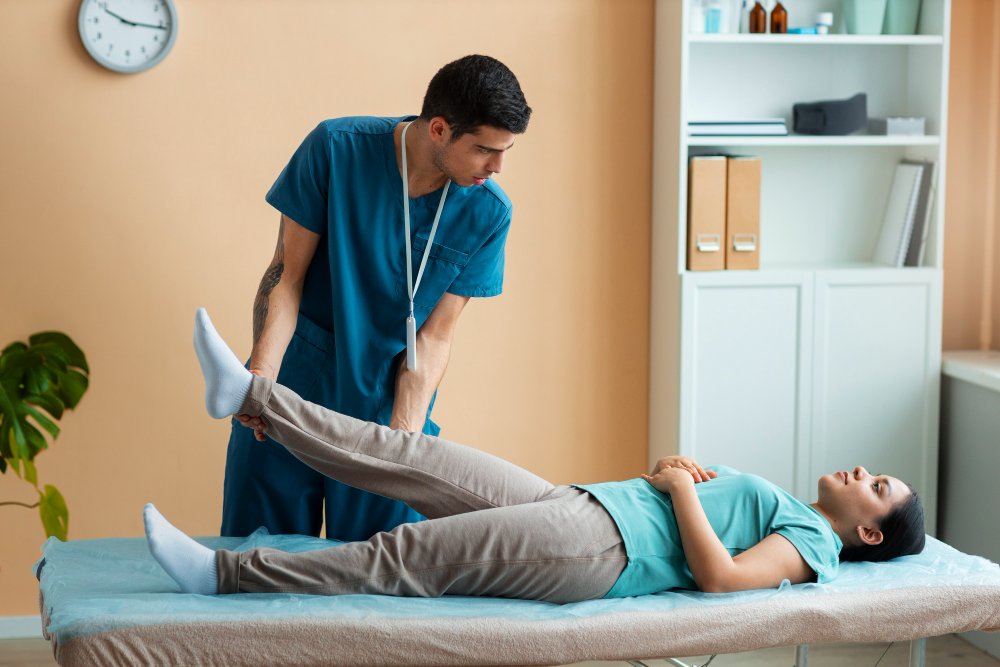
Spinal rehabilitation focuses on restoring proper movement, strength, and stability to the spine after injury or chronic pain. Through personalized chiropractic care, corrective exercises.
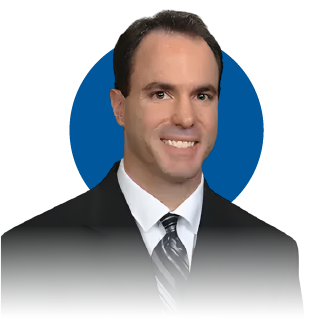
Dr. Michael DeCrisio is a distinguished Chiropractic Physician with advanced board certifications in Vestibular Rehabilitation and Chiropractic Neurology. His experience allows him to expertly manage complex conditions like post-concussion syndrome, vertigo, and balance disorders. He is dedicated to combining thorough clinical examinations with advanced diagnostics to develop highly effective, individualized treatment plans for every patient.
Finding a concussion specialist near you can be accomplished by searching online for local clinics that focus on concussion treatment, checking with your primary care physician for referrals, or visiting professional organizations that list certified specialists in your area.
What treatments are available for concussion rehabilitation?
The treatments available for concussion rehabilitation include personalized therapy plans, vestibular rehabilitation, neurofeedback, and physical therapy, all aimed at alleviating symptoms and promoting recovery.
How do I book an appointment for concussion treatment?
Booking an appointment for concussion treatment is easy. You can schedule your visit by calling our office directly or by using our online appointment booking system on our website.
What symptoms indicate the need for concussion treatment?
The symptoms that indicate the need for concussion treatment include persistent headaches, dizziness, confusion, balance issues, sensitivity to light or noise, and difficulty concentrating. If you experience these symptoms after a head injury, seeking professional evaluation is essential.
What is the focus of Carolina Concussion & Physical Medicine?
The focus of Carolina Concussion & Physical Medicine is to provide specialized treatments and rehabilitation services for concussion and related conditions, emphasizing patient wellness and recovery through evidence-based practices.
Where can I locate a concussion specialist?
You can locate a concussion specialist at Carolina Concussion & Physical Medicine, where our experienced team, led by Dr. Michael DeCrisio, offers specialized treatments and rehabilitation services for concussion-related conditions.
What are the best concussion rehabilitation options?
The best concussion rehabilitation options include specialized therapies such as vestibular rehabilitation, cognitive therapy, and neurofeedback. These treatments focus on restoring balance, cognitive function, and overall wellness for effective recovery.
How do I schedule a concussion treatment appointment?
Scheduling a concussion treatment appointment is simple. You can either call our office directly or use our online booking system on the Carolina Concussion website to select a convenient time for your visit.
Which symptoms require immediate concussion evaluation?
Immediate concussion evaluation is required for symptoms such as severe headache, confusion, repeated vomiting, seizures, difficulty waking, or weakness/numbness in limbs. Prompt medical attention is crucial for these signs to ensure proper care and recovery.
What services does Carolina Concussion & Physical Medicine offer?
Carolina Concussion & Physical Medicine offers specialized services including concussion treatment, vestibular rehabilitation, and neurofeedback to support recovery and enhance wellness for individuals experiencing concussion-related symptoms.
How effective is vestibular rehabilitation for concussions?
The effectiveness of vestibular rehabilitation for concussions is significant, as it helps alleviate symptoms such as dizziness and imbalance, promoting recovery and improving overall function in individuals affected by concussive injuries.
What should I expect during a concussion assessment?
During a concussion assessment, you can expect a comprehensive evaluation that includes a review of your medical history, symptom assessment, cognitive testing, and physical examination to determine the extent of your injury and guide your treatment plan.
Are there specific exercises for concussion recovery?
Specific exercises for concussion recovery are designed to help improve balance, coordination, and cognitive function. These may include vestibular rehabilitation exercises and gradual physical activity, tailored to each individual's needs by a healthcare professional.
How long does concussion rehabilitation typically take?
The duration of concussion rehabilitation typically varies based on individual needs and the severity of the injury. Generally, patients can expect the process to take anywhere from a few weeks to several months.
What qualifications should a concussion specialist have?
The qualifications a concussion specialist should have include a medical degree, specialized training in neurology or sports medicine, and experience in diagnosing and treating concussion-related conditions. Additional certifications in rehabilitation techniques can also enhance their expertise.
Can I receive telehealth services for concussion treatment?
Telehealth services for concussion treatment are available at Carolina Concussion. Our specialized team can provide consultations and follow-up care remotely, ensuring you receive the support you need from the comfort of your home.
What role does neurofeedback play in concussion recovery?
The role of neurofeedback in concussion recovery is significant. It helps patients regulate brain activity, improve cognitive function, and reduce symptoms such as anxiety and headaches, ultimately facilitating a more effective recovery process.
How can I manage concussion symptoms at home?
Managing concussion symptoms at home involves rest, hydration, and gradual reintroduction of activities. Monitor your symptoms closely and avoid screens, bright lights, and loud noises to promote recovery. Always consult your physician for personalized guidance.
What are common misconceptions about concussion treatment?
Common misconceptions about concussion treatment include the belief that rest is the only solution and that all concussions are the same. In reality, effective treatment often involves a tailored rehabilitation plan addressing individual symptoms and needs.
Is physical therapy necessary after a concussion?
Physical therapy is often necessary after a concussion. It helps address symptoms, improve balance, and facilitate recovery, ensuring that patients regain their strength and function effectively.
What follow-up care is recommended after concussion treatment?
Follow-up care recommended after concussion treatment includes regular check-ups with your healthcare provider to monitor recovery, engaging in gradual return-to-activity protocols, and participating in rehabilitation therapies as needed to support cognitive and physical recovery.
How can I support a loved one with a concussion?
Supporting a loved one with a concussion involves being patient, encouraging rest, and helping them follow their treatment plan. Offer emotional support and assist with daily tasks to help them manage symptoms effectively.
What lifestyle changes aid in concussion recovery?
Lifestyle changes that aid in concussion recovery include getting adequate rest, maintaining a balanced diet, staying hydrated, managing stress, and gradually reintroducing physical and cognitive activities as tolerated. These adjustments support healing and overall well-being.
Are there any risks associated with concussion treatments?
The risks associated with concussion treatments can include temporary side effects such as dizziness or fatigue. However, when managed by experienced professionals, the benefits of proper treatment typically outweigh these risks, ensuring a safe recovery process.
What is the process for concussion diagnosis?
The process for concussion diagnosis involves a comprehensive evaluation, including a detailed medical history, symptom assessment, and neurological examinations. Imaging tests may also be utilized to rule out other conditions if necessary.
How can I prepare for my concussion appointment?
Preparing for your concussion appointment involves gathering relevant medical history, noting your symptoms, and bringing any previous imaging or test results. This information will help your physician provide the best care tailored to your needs.
What research is being done on concussion therapies?
Research on concussion therapies is focused on developing innovative treatment methods, including advanced neurofeedback techniques, vestibular rehabilitation strategies, and pharmacological interventions to enhance recovery and improve long-term outcomes for patients.
What are the signs of a concussion worsening?
The signs of a worsening concussion include increased headaches, persistent dizziness, confusion, difficulty concentrating, nausea, and changes in mood or behavior. If these symptoms escalate, it's crucial to seek medical attention promptly.
How do I choose the right concussion clinic?
Choosing the right concussion clinic involves evaluating their specialized services, the expertise of the medical staff, and patient reviews. Look for clinics that offer comprehensive rehabilitation programs tailored to concussion treatment.
What insurance plans cover concussion treatment services?
Insurance plans that cover concussion treatment services may vary by provider. It's best to check with your specific insurance company or contact our office for detailed information regarding coverage options for your treatment.
Finding a concussion specialist near you can be accomplished by searching online for local clinics that focus on concussion treatment, checking with your primary care physician for referrals, or visiting professional organizations that list certified specialists in your area.
What treatments are available for concussion rehabilitation?
The treatments available for concussion rehabilitation include personalized therapy plans, vestibular rehabilitation, neurofeedback, and physical therapy, all aimed at alleviating symptoms and promoting recovery.
How do I book an appointment for concussion treatment?
Booking an appointment for concussion treatment is easy. You can schedule your visit by calling our office directly or by using our online appointment booking system on our website.
What symptoms indicate the need for concussion treatment?
The symptoms that indicate the need for concussion treatment include persistent headaches, dizziness, confusion, balance issues, sensitivity to light or noise, and difficulty concentrating. If you experience these symptoms after a head injury, seeking professional evaluation is essential.
What is the focus of Carolina Concussion & Physical Medicine?
The focus of Carolina Concussion & Physical Medicine is to provide specialized treatments and rehabilitation services for concussion and related conditions, emphasizing patient wellness and recovery through evidence-based practices.
Where can I locate a concussion specialist?
You can locate a concussion specialist at Carolina Concussion & Physical Medicine, where our experienced team, led by Dr. Michael DeCrisio, offers specialized treatments and rehabilitation services for concussion-related conditions.
What are the best concussion rehabilitation options?
The best concussion rehabilitation options include specialized therapies such as vestibular rehabilitation, cognitive therapy, and neurofeedback. These treatments focus on restoring balance, cognitive function, and overall wellness for effective recovery.
How do I schedule a concussion treatment appointment?
Scheduling a concussion treatment appointment is simple. You can either call our office directly or use our online booking system on the Carolina Concussion website to select a convenient time for your visit.
Which symptoms require immediate concussion evaluation?
Immediate concussion evaluation is required for symptoms such as severe headache, confusion, repeated vomiting, seizures, difficulty waking, or weakness/numbness in limbs. Prompt medical attention is crucial for these signs to ensure proper care and recovery.
What services does Carolina Concussion & Physical Medicine offer?
Carolina Concussion & Physical Medicine offers specialized services including concussion treatment, vestibular rehabilitation, and neurofeedback to support recovery and enhance wellness for individuals experiencing concussion-related symptoms.
How effective is vestibular rehabilitation for concussions?
The effectiveness of vestibular rehabilitation for concussions is significant, as it helps alleviate symptoms such as dizziness and imbalance, promoting recovery and improving overall function in individuals affected by concussive injuries.
What should I expect during a concussion assessment?
During a concussion assessment, you can expect a comprehensive evaluation that includes a review of your medical history, symptom assessment, cognitive testing, and physical examination to determine the extent of your injury and guide your treatment plan.
Are there specific exercises for concussion recovery?
Specific exercises for concussion recovery are designed to help improve balance, coordination, and cognitive function. These may include vestibular rehabilitation exercises and gradual physical activity, tailored to each individual's needs by a healthcare professional.
How long does concussion rehabilitation typically take?
The duration of concussion rehabilitation typically varies based on individual needs and the severity of the injury. Generally, patients can expect the process to take anywhere from a few weeks to several months.
What qualifications should a concussion specialist have?
The qualifications a concussion specialist should have include a medical degree, specialized training in neurology or sports medicine, and experience in diagnosing and treating concussion-related conditions. Additional certifications in rehabilitation techniques can also enhance their expertise.
Can I receive telehealth services for concussion treatment?
Telehealth services for concussion treatment are available at Carolina Concussion. Our specialized team can provide consultations and follow-up care remotely, ensuring you receive the support you need from the comfort of your home.
What role does neurofeedback play in concussion recovery?
The role of neurofeedback in concussion recovery is significant. It helps patients regulate brain activity, improve cognitive function, and reduce symptoms such as anxiety and headaches, ultimately facilitating a more effective recovery process.
How can I manage concussion symptoms at home?
Managing concussion symptoms at home involves rest, hydration, and gradual reintroduction of activities. Monitor your symptoms closely and avoid screens, bright lights, and loud noises to promote recovery. Always consult your physician for personalized guidance.
What are common misconceptions about concussion treatment?
Common misconceptions about concussion treatment include the belief that rest is the only solution and that all concussions are the same. In reality, effective treatment often involves a tailored rehabilitation plan addressing individual symptoms and needs.
Is physical therapy necessary after a concussion?
Physical therapy is often necessary after a concussion. It helps address symptoms, improve balance, and facilitate recovery, ensuring that patients regain their strength and function effectively.
What follow-up care is recommended after concussion treatment?
Follow-up care recommended after concussion treatment includes regular check-ups with your healthcare provider to monitor recovery, engaging in gradual return-to-activity protocols, and participating in rehabilitation therapies as needed to support cognitive and physical recovery.
How can I support a loved one with a concussion?
Supporting a loved one with a concussion involves being patient, encouraging rest, and helping them follow their treatment plan. Offer emotional support and assist with daily tasks to help them manage symptoms effectively.
What lifestyle changes aid in concussion recovery?
Lifestyle changes that aid in concussion recovery include getting adequate rest, maintaining a balanced diet, staying hydrated, managing stress, and gradually reintroducing physical and cognitive activities as tolerated. These adjustments support healing and overall well-being.
Are there any risks associated with concussion treatments?
The risks associated with concussion treatments can include temporary side effects such as dizziness or fatigue. However, when managed by experienced professionals, the benefits of proper treatment typically outweigh these risks, ensuring a safe recovery process.
What is the process for concussion diagnosis?
The process for concussion diagnosis involves a comprehensive evaluation, including a detailed medical history, symptom assessment, and neurological examinations. Imaging tests may also be utilized to rule out other conditions if necessary.
How can I prepare for my concussion appointment?
Preparing for your concussion appointment involves gathering relevant medical history, noting your symptoms, and bringing any previous imaging or test results. This information will help your physician provide the best care tailored to your needs.
What research is being done on concussion therapies?
Research on concussion therapies is focused on developing innovative treatment methods, including advanced neurofeedback techniques, vestibular rehabilitation strategies, and pharmacological interventions to enhance recovery and improve long-term outcomes for patients.
What are the signs of a concussion worsening?
The signs of a worsening concussion include increased headaches, persistent dizziness, confusion, difficulty concentrating, nausea, and changes in mood or behavior. If these symptoms escalate, it's crucial to seek medical attention promptly.
How do I choose the right concussion clinic?
Choosing the right concussion clinic involves evaluating their specialized services, the expertise of the medical staff, and patient reviews. Look for clinics that offer comprehensive rehabilitation programs tailored to concussion treatment.
What insurance plans cover concussion treatment services?
Insurance plans that cover concussion treatment services may vary by provider. It's best to check with your specific insurance company or contact our office for detailed information regarding coverage options for your treatment.